
JMI’s Sarojini Naidu Centre for Women’s Studies organizes workshop on university-industry linkages on the theme of ‘Communication in the Development Sector’

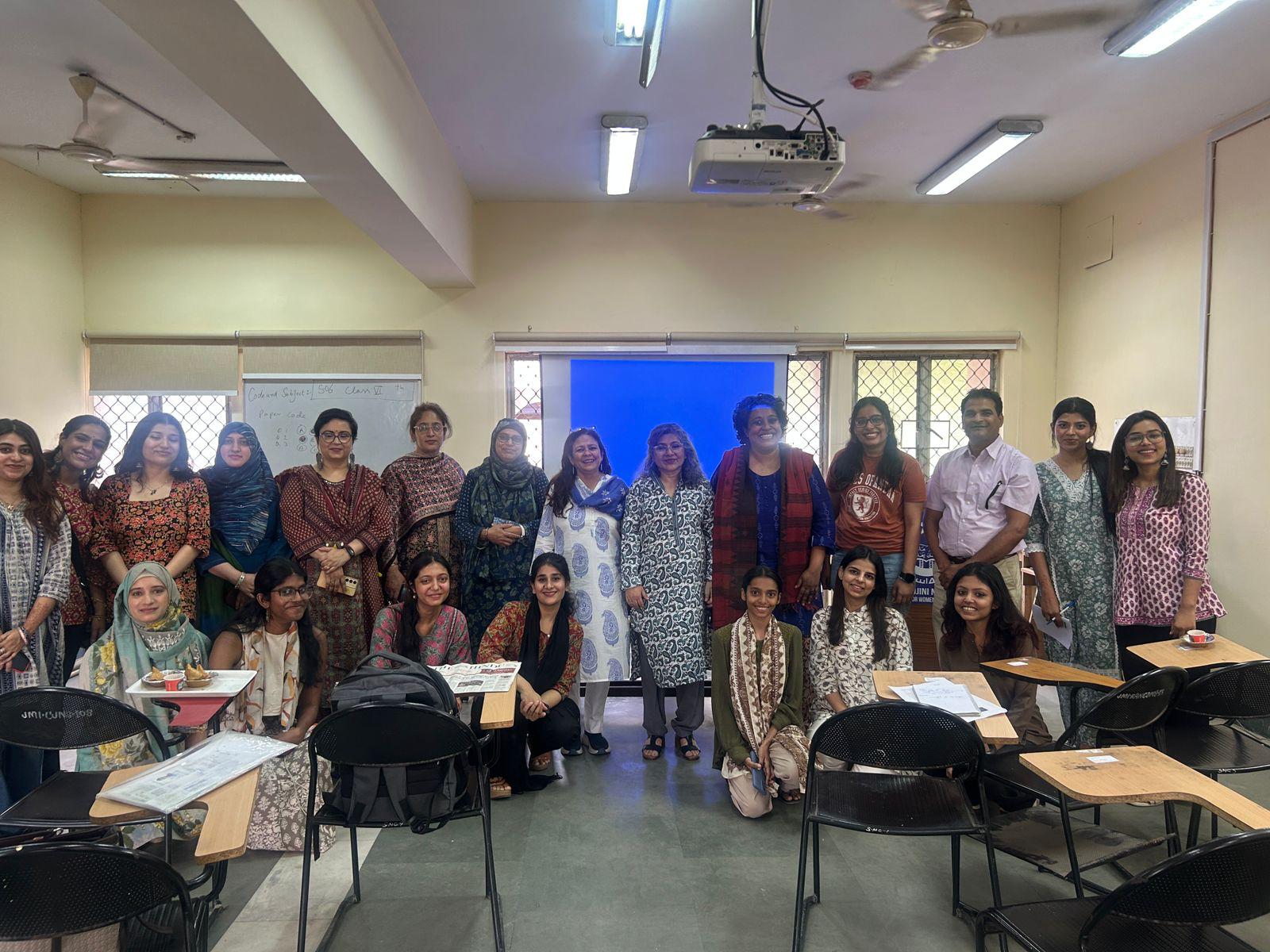
NAI DILLI : The Sarojini Naidu Centre for Women’s Studies (SNCWS) at Jamia Millia Islamia organized a University-Industry Linkages Workshop titled “Make It Matter: Communication in the Development Sector” on March 30, 2026. The session, held in the Multi-purpose Hall at SNCWS, brought together students and faculty to explore the critical intersection of academic research, field realities, and strategic communication.
The workshop was conducted by Ms. Roshni Subhash, Founder-Director of StratComm Communication, who drew upon her extensive experience in development communication to engage participants in an interactive exploration of how communication shapes social impact. Dr. Tarannum Siddiqui coordinated the session, with introductory remarks by Dr.Suraiya Tabassum. The session was chaired by Prof. Meher Fatima Hussain.
In her opening address, Ms. Subhash invited participants to reflect on the nature of communication in everyday life, particularly through social media. She observed how the constant consumption of short-form content reels, hooks, and rapid visuals affects attention spans, and cautioned that this shift has profound implications for academic writing and development practice alike. She noted, urging students to remain mindful of how digital habits shape both their own research and the ways in which development messages reach communities.
The session moved from theory to practice through a case study drawn from a district in Madhya Pradesh, where women facing gender-based violence had organised collective resistance despite inadequate support from government institutions and help centres. Participants were divided into three groups and given twenty minutes to design a communication strategy and draft a funding proposal for a self-help group working in that context. The exercise simulated the real-world demands of translating grassroots realities into compelling, accountable narratives for donors and policymakers.
Groups presented their proposals, followed by a lively exchange of remarks and feedback. The interactive format allowed students to grapple with difficult questions like, what aspects of a community’s story should be foregrounded? What must remain confidential? How does one balance the urgency of advocacy with the ethics of representation? Ms.Subhash emphasised that ethical communication in the development sector requires not only clarity and persuasion but also a deep commitment to the dignity and agency of the communities being represented.
The session concluded with a vote of thanks delivered by Anka, one of the student volunteers. Student volunteers Meenakshi, Divyaa, Vaibhav, and Aditi also contributed to the smooth conduct of the workshop.
