
The Growing Distance Between Leadership and the People
- Prof Jasim Mohammad
🔊 Listen This News In earlier decades of public life in India, the connection between state and central government leaders and the people was shaped through a more layered but socially rooted system. Ministers, particularly those at the central or state level, often participated in programmes organised by educational institutions, civil society groups, and voluntary […]

In earlier decades of public life in India, the connection between state and central government leaders and the people was shaped through a more layered but socially rooted system. Ministers, particularly those at the central or state level, often participated in programmes organised by educational institutions, civil society groups, and voluntary organisations. These platforms created opportunities for dialogue, allowing leaders to interact directly with citizens, scholars, students, and community representatives. There were examples when the event was ceremonial; in many cases, however, the programme itself presented an opportunity for dialogue regarding the issues affecting the public and how the issue was viewed by each side.
Through the many NGO/community-based programmes that were organized, the gap between governance and society was bridged. Citizens had the impression that they could easily locate, hear, and at times even question those with authority. As a result, citizens recognised that the governmental institutions were relatively close to their daily lives.
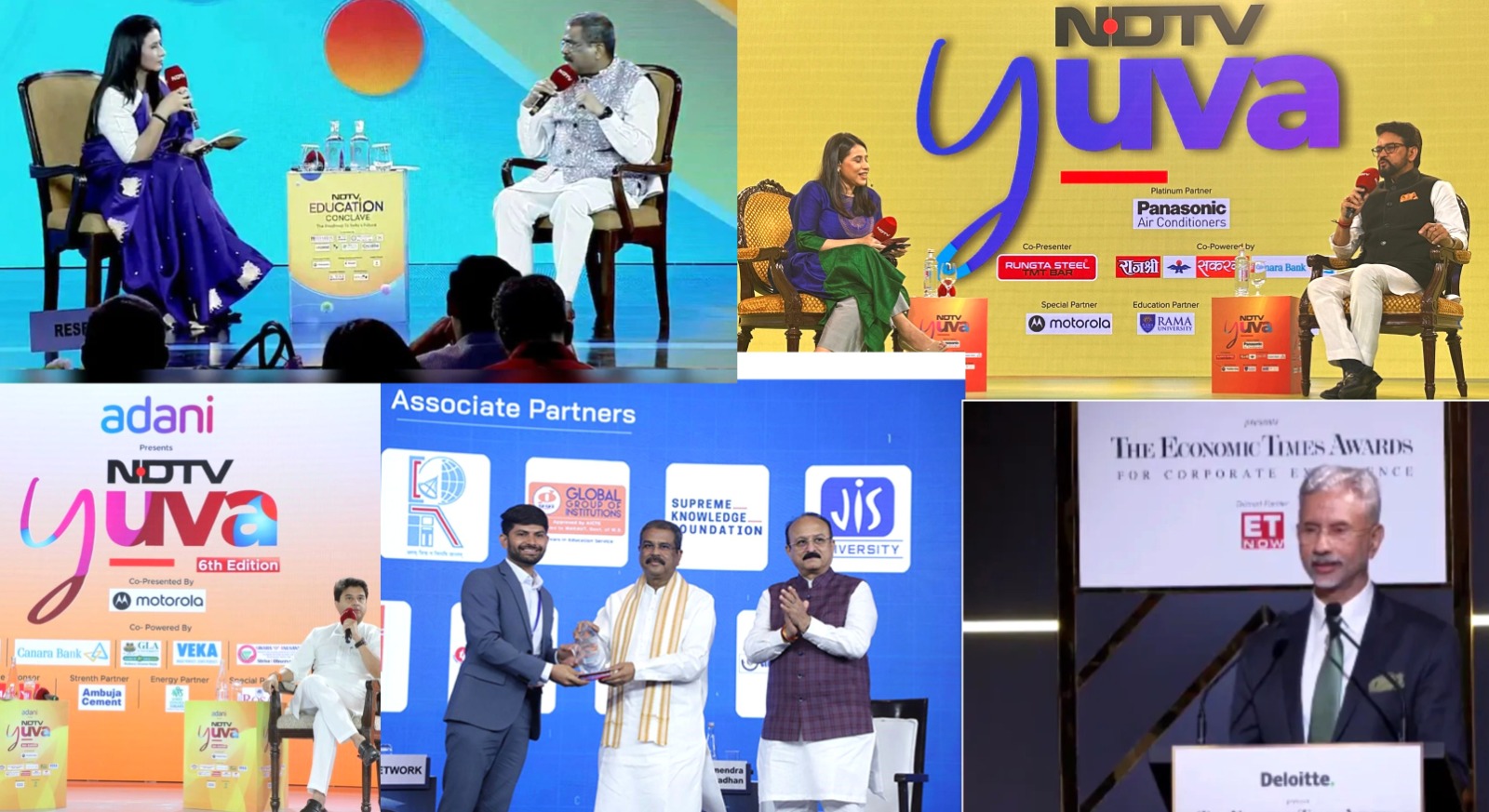
There have been changes to the way that people engage publicly over time. More and more political, administrative and other leaders appear on television, on panel discussions and in events hosted by the media. These events are typically broadcast far and wide, so there is great opportunity to reach a large audience quickly with these venues; they seem like good ways for leaders to engage with the public.
While this transformation has changed the way that leaders communicate, it has also brought about a new kind of event dynamic. Many of these media events are now being held as big-time shows, rather than as true public conversations. Sometimes people who attend are required to pay for their seats through some form of financial arrangement (i.e., paid seat, sponsorship package, etc.), or receive something symbolic such as a trophy or award in exchange for their participation. Although these practices have simply become standard for event management/media promotion, they have an impact on the spirit of public engagement. If more people have access to their elected representatives through television studios or media-managed platforms, the organic connection that exists between voters and elected officials slowly diminishes. The energy of a studio discussion is different than that of a public meeting. In a studio, the discussion usually occurs based on the format of the show, the time allocated to the discussion, and the broadcaster’s priorities instead of based on the interests of average citizens.
As a result, the connection between society and government can become increasingly reliant on media accounts. The primary means by which people learn about government leaders, proposed government policies, and public initiatives comes from television or newspapers. Media is an important part of democracy; however, when it is relied upon as the sole way to communicate, then there can be limited opportunities for citizens to engage with public affairs in a meaningful way.
Another aspect of this change is the way that television is perceived today when compared to the past. A few decades ago, television was regarded as a major source of trustworthy information and a location for national conversations to occur. People would gather in their homes to watch news, discussions, and public affairs programs from around their local area. However, as time went on, the development of broadcast media became much more complicated and contentious.
Today, many people feel bombarded by the volume of televised arguments, along with the competitive nature of “news” programming and the amount of sensationalised content that they see. Some shows have altered their tone from that of a sophisticated discussion format to that of a format which is confrontational in order to attract attention or viewership. On this basis, meaningful dialogue may often give way to noise or “spectacle.”
The ever-evolving nature of media has influenced people’s behaviour. Consequently, an increasing number of people are choosing alternative information sources (e.g., from digital platforms and independent journalists, as well as through direct means of communication). A lot of individuals purposefully limit the amount of television they watch because they want to create more peaceful, trusted, and informed spaces for having a better understanding of public issues.
If local leaders depend on media-events to transmit messages to the public, they will likely depend on some media which has had its credibility and audience participation substantially altered since it is not stable. When you have loss of public confidence in television as a medium to communicate, you will also have loss of the effectiveness of messages communicated through that media.
Democratic governance depends upon trust. Trust is built through being visible, accessible, and through having the belief by citizens that they can influence the actions of those who are governing. Historically, community programs, academic forums, and social organisations provide the foundation to build and develop such trust through providing an avenue to have a respectful conversation. Re-entering spaces has nothing to do with removing modern media. Television and the printed media continue as major resources to inform and educate large numbers of individuals. Direct engagement with people and community through both forms of communication should be a complimentary service to one another and represent a balanced approach to effective communication. A balanced approach would combine the two media with ongoing direct engagement with the public through education, culture and community activities.
This kind of interaction gives leaders the opportunity to see many different viewpoints that would typically not be represented in today’s carefully curated media landscape. Participants, such as students, social workers, professionals and community leaders, have a wealth of information to share regarding their understanding of local realities and the emergence of new social issues. Open forums give these individuals the opportunity to contribute to the decision-making process, which can help increase governance that responds to and reflects the actual conditions of society.
Additionally, events organised by an independent organisation have a natural flow as these events place a premium on thoughtful dialogue instead of hurried commentary. Furthermore, participants at these types of events listen intently, ask questions and gain a deeper understanding of the issues being discussed. These types of conversations will assist in promoting an ethical and intellectual basis for public life.
Ultimately, communication between society and those in power should consist of more than just being visible; it should make an effort to create a deeper understanding between those in leadership roles and those they serve. The exposure of one to the other through media may generate a level of awareness; however, the exposure of one to the other through real-life engagement will establish a level of trust. A thriving and healthy democracy can exist when there is a healthy balance between the two forms of public interaction.
Within the world of public communications today, it may be worthwhile to think about how we can again connect with grassroots organisations and community-based organisations. These types of interactions illustrate the reality that governance is not simply about the administration of services but also about the conversations we have, the listening that takes place, and the shared responsibility that we have. When a leader connects with their residents through these types of interactions, this connection between the government and society will become stronger, more humane, and longer-lasting.
(Author is Educationist and Former Group Editor of Sahara News Network.
Email : profjasimmd@gmail.com )
